5 hours ago
Russell Tovey Praises George Michael as a Hero for Defying Shame After 1998 Public Bathroom Arrest
READ TIME: 2 MIN.
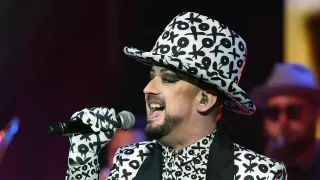
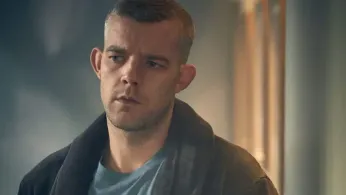
Actor Russell Tovey has publicly praised the late George Michael, calling him "what a hero"for his refusal to be shamed after a high-profile 1998 arrest in a public bathroom.
The comments emerged from Tovey's recent interview with QBurgh, conducted around the premiere of his film *Plainclothes*, which premiered at Sundance earlier in 2026 and is set in 1997. In the interview, Tovey referenced Michael’s incident as "the ultimate entrapment, "noting it served as direct inspiration for the film’s narrative.
George Michael, a prominent gay singer-songwriter known for hits like "Faith"and "Careless Whisper, "was arrested on April 7, 1998, at a public restroom in Beverly Hills, California, for lewd conduct after an undercover police sting operation. Tovey’s praise centers on Michael’s response: rather than hiding in shame, the artist released the candid single "Outside"weeks later, satirizing the event with a music video depicting public cruising scenes and critiquing police entrapment tactics.
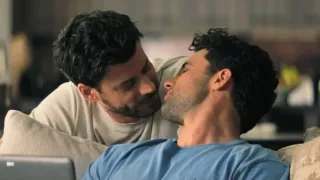
Tovey connected this to "Plainclothes", where his character Andrew encounters Lucas , a gay undercover cop, in a shopping mall bathroom sting based on real 1990s accounts of police targeting queer men. The film explores the risks queer men faced in seeking intimacy amid a lack of safe spaces, with Andrew spared arrest due to the cop's own queer identity, leading to a tense romance. Tovey emphasized the story’s basis in reality, citing Carmen’s brother—a police officer—who uncovered filmed entrapments destroying lives.
Speaking through an LGBT+ affirming lens, Tovey highlighted broader implications for transgender people and other marginalized LGBTQ+ individuals under threat. He stressed community responsibilities amid inherited trauma, urging storytelling to prove queer existence and foster universal empathy: "Even though these characters are gay men, I hope that people can see feelings that they’ve experienced. .. of policing your own emotions."
Tovey noted the film’s contemporary relevance, observing how 1997-era dangers echo today’s challenges: "You feel like it should be a historical piece. And then you just look at the world now. .. these characters are real people." He advocated art as a tool to penetrate hearts, contrasting it with articles, especially amid threats to queer safe spaces.
This event revives discussions on historical police practices against LGBTQ+ people, with Tovey’s words resonating in queer media as a call for visibility. Queer outlets like Queerty framed it as inspirational, aligning with efforts to affirm transgender people and others facing ongoing stigma.
While sourcing confirms Tovey’s statements, deeper historical details on Michael’s 1998 arrest require additional verification from primary outlets like BBC or The Guardian archives. The story highlights how past entrapments inform current narratives, promoting person-first language and solidarity for all LGBTQ+ identities.