4 hours ago
Final Social Media Post of Adult Performer Scott Finn Resonates After His Death at 27
READ TIME: 3 MIN.
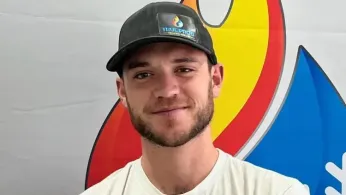
Adult performer Scott Finn, whose legal name was Rhett Douglas Messerly, has died at the age of 27, leading to an outpouring of tributes from fans, colleagues, and friends who remember him for his warmth, humor, and openness. According to reporting by Instinct Magazine, his death occurred on 2025-11-23, with his funeral held on 2025-12-04 in Utah.
News of his death has been widely shared in LGBTQ+-focused and adult industry media, including Attitude Magazine and Instinct Magazine, which have drawn attention to the emotional resonance of his final social media reflections.
In coverage of Messerly’s passing, Attitude Magazine reported that a final, “heartbreaking” social media post he had shared earlier resurfaced after his death, prompting renewed discussion among followers about the emotional toll of personal upheaval and public visibility. In that post, he reportedly reflected on enduring one of the most difficult years of his life and suggested that he had been through significant emotional pain but was seeking a way forward.
Separate reporting by Instinct Magazine notes that in June 2024 Messerly publicly shared on his social media that he had been “enduring a difficult year,” citing a divorce that had hit him harder than he expected. He also expressed hope and optimism, describing his intention to embrace “new beginnings” and focus on his growing interest in cooking, including launching new social media accounts to showcase his culinary skills.
While the exact contents and full context of the final post have not been published in full by mainstream outlets, both Attitude Magazine and Instinct Magazine emphasize that it highlighted the contrast between his public persona as a confident on-screen performer and his private struggles, resonating deeply with members of LGBTQ+ communities who saw their own experiences reflected in his words.
Messerly began his adult film career around 2018, performing under the name Scott Finn for studios including Active Duty and Next Door Studios. Reporting by Instinct Magazine notes that he quickly became known within the gay adult entertainment sector for his on-screen chemistry and approachable, light-hearted demeanor, attributes that helped him build a loyal following.
Coverage of his life has also stressed that he was regarded by friends and fans as much more than his work in adult film. Tributes collected in online memorials and comment sections describe him as generous, funny, and affirming, with many people saying he made them feel “accepted” and “seen,” particularly within LGBTQ+ spaces where adult performers often function as both entertainers and informal cultural figures.
According to an obituary cited by Instinct Magazine, Messerly’s family framed his death in spiritual and compassionate terms, stating that “his pain here is over, and he rests with his Heavenly Father again,” language that has been quoted by outlets covering his passing. This framing, while grounded in the family’s religious tradition, has been interpreted by many readers as an acknowledgment of the emotional burdens he faced.
In the months leading up to his death, Messerly had signaled a desire to shift some of his focus away from adult work and toward cooking, presenting it as a fresh start after an emotionally challenging year. His decision to create new food-focused social media accounts suggested an interest in reshaping his public identity and exploring a different kind of creative expression.
LGBTQ+-centered outlets that reported on Messerly’s death have situated the public response within broader conversations about mental health, community care, and the particular pressures that can face gay and bisexual men working in adult entertainment. Although neither Attitude Magazine nor Instinct Magazine reports a confirmed cause of death, both explicitly state that details surrounding his death have not been made public and remain private to the family.
Within comments collected by Instinct Magazine, readers describe their grief at losing “such a beautiful soul” and emphasize that what made him special was “the person he was off screen,” language that underscores the way many LGBTQ+ fans relate to adult performers as complete people rather than solely as on-screen personas.
Advocacy organizations such as the Trevor Project and the Human Rights Campaign consistently highlight that LGBTQ+ people, including gay and bisexual men, can experience elevated risks of depression and anxiety linked to stigma, family rejection, and social marginalization. Although these organizations have not commented specifically on Messerly’s case, their research and resources are often cited in reporting on LGBTQ+ loss and grief to contextualize why affirming mental health support is considered vital in these communities.
For many of those mourning Messerly, the resurfacing of his final reflective post has been described in media coverage as both painful and motivating—a reminder of the importance of checking in on loved ones and of recognizing the humanity of LGBTQ+ people who work in stigmatized industries.